
What is a
VPN?
A VPN, full form “Virtual Private Network,” is a cybersecurity tool that shields your online activity, privacy, and security. VPNs create a secure, encrypted tunnel for your online data, hide your IP address, and prevent you from being tracked. It allows you to:
- Protect online privacy
- Access global content
- Browsing privately







Benefits of VPN


Change Your Location
Protect Your Privacy

Increase Your Security

Unblock Websites
Why Should You Have a VPN?





What does a VPN do or Hide?
Hidden
Exposed
Hidden
Exposed
Hidden
Exposed
Encrypted
Exposed
Exposed
Exposed
Exposed
Exposed
Exposed
Exposed
Exposed
Exposed
Minimal
Very frequent
How Does a VPN Work?

Your devices
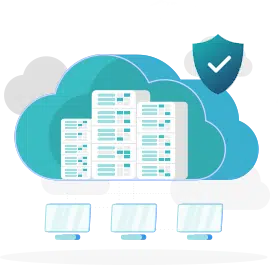
Unencrypted data transmissions that anyone can intercept and read.

The Internet
Your devices
A VPN server carefully encrypts your information.
The Internet
VPN Encryption Protocols
OpenVPN
OpenVPN
It's open-source and has a balance of security and speed.
IKEV2
IKEV2
Known for speed and stability, especially on mobile devices.
WireGuard
WireGuard
Praised for its simplicity and high-speed performance.
L2TP/IPSec
L2TP/IPSec
Combines two protocols to enhance security.
Alternatives to VPN
Tor
The Tor network offers high levels of privacy and anonymity by routing your internet traffic through multiple servers. While Tor is effective for anonymity, it’s generally slower than VPNs and not suited for streaming or downloading large files.
Proxy Servers
Proxies act as intermediaries between your internet and the device. They can offer the next level of anonymity to hide your IP address. However, they typically don’t encrypt your data, making them less secure than VPNs.